
Deadwood Didn’t Build South Dakota Gaming Just to Hand It to Washington
By George Milos
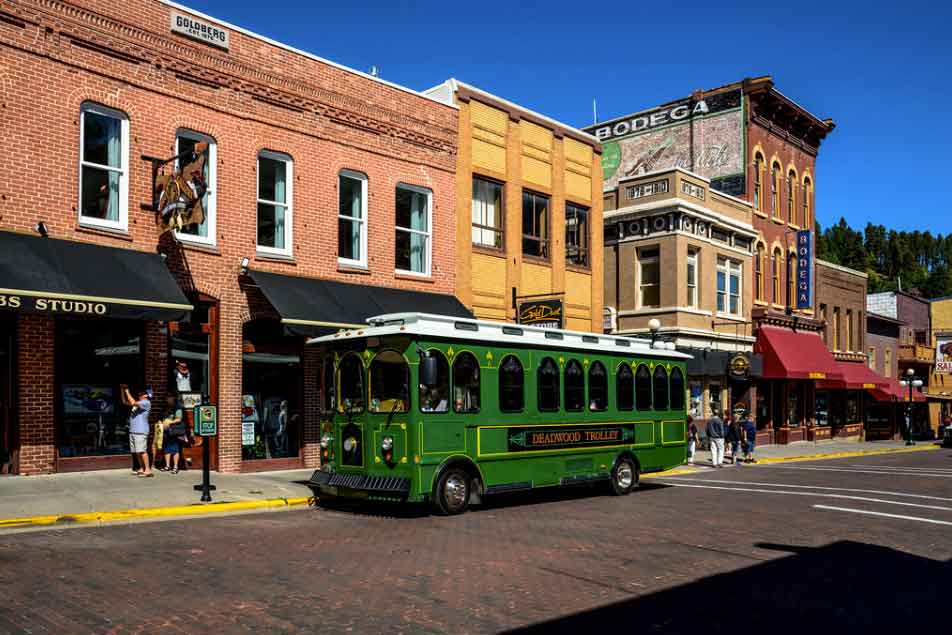
South Dakota’s gaming industry was built by South Dakotans—by the voters who approved it, by the regulators who oversee it, and by the local communities who rely on it. For decades, our state has set the gold standard for responsible gaming because we’ve insisted on one thing above all else: local control.
That tradition goes back long before modern casinos. Deadwood has been South Dakota’s gaming capital since the frontier era, a place where miners, card players, and risk-takers shaped a culture rooted in fairness and accountability. When South Dakotans voted in 1988 to bring gaming back to Deadwood, they did so with intention, reviving both the town’s historic spirit and a vital economic engine for our entire state.
Since then, our gaming system has operated under strict state-regulated rules that protect consumers and support our communities. South Dakota’s casinos generate jobs, drive tourism, and deliver millions in tax revenue that funds schools, infrastructure upgrades, addiction services, and historic preservation. Every wager placed inside our borders strengthens South Dakota.
Washington is now trying to rewrite the rules. The Commodity Futures Trading Commission (CFTC) has begun approving online prediction market platforms that allow people to bet on everything from sports to elections, claiming these wagers are “financial contracts.” That’s just language designed to confuse us. What they are offering is gambling by another name. And gambling regulation has always been, and must remain, the responsibility of the states, not federal agencies.
This federal overreach directly undermines South Dakota sovereignty. Prediction market companies operating under CFTC permission don’t answer to the South Dakota Gaming Commission, don’t follow our consumer protection standards, and, critically, don’t contribute a single dollar in state gaming taxes. That means lost revenue for our schools, our roads, our public safety programs, and our historic communities like Deadwood. While South Dakota businesses play by the rules, these offshore-like platforms get a free pass from federal regulators who have no stake in our state’s future.
The CFTC was created to regulate commodities like wheat, corn, and cattle—not to backdoor federal control over gambling. By enabling unregulated prediction markets, the agency is stepping far outside its lane and creating a black-market alternative that competes with our lawful, heavily regulated, locally accountable gaming industry.
South Dakotans chose a careful, responsible path when we legalized sports wagering in 2020. We built a system that reflects our values and protects our people. If changes are needed, those decisions should be made in Pierre, not in Washington boardrooms of unelected bureaucrats who know nothing about our state.
The Deadwood Gaming Association urges federal regulators to respect state control, honor South Dakota’s long-standing approach to responsible gaming, and put an end to this dangerous overreach. Our gaming heritage, and the communities that depend on it, deserve nothing less.
South Dakota built this industry. We will continue to protect it.
—
George Milos is the executive director of the Deadwood Gaming Association
Trump’s kind of like the average crime boss, he needs a dedicated group of “good earners” working under him, paying the boss’s cut upward, not individual free states enjoying their freedoms.
Gambling is a South Dakota value?
Given the “casinos” on every corner in the state it’s hard to argue that it’s not.
From the president who claims to be against big government and government regulation.,
Wars cost money
The emerging prediction markets are an indisputably superior product. Adapt or this.die. Really no other way to state it.
Sure there is. You just dint watch the whole episode where Tony Soprano takes over his friend’s hardware store and loots it.
If Trump says something, you do it, I’m not sure why we are talking about this….
If one is spending their hard earn paycheck on gambling, then they should receive ZERO dollars of any type of government handouts!! The gambling industry should most definitely be taxed at a higher rate than they are to supplement educational funding!
I agree. South Dakota’s gaming industry was built with intention and local pride. Voters brought gaming back to Deadwood to fuel economic growth and preserve a unique part of our history, and the results speak for themselves in jobs and tax revenue that pay for schools, roads, and vital services. It is shortsighted to hand that authority to a federal agency with little understanding of how our system works or what our communities need. Local regulators know our market and can protect consumers while supporting an industry that contributes substantially to our state’s well-being. Outsiders rewriting the rules threatens that balance and could divert revenue away from state priorities. South Dakota should remain the steward of its own gaming future.
How did the CFTC start controlling gaming? They should focus on agriculture and commodities
This column makes an important point about sovereignty and accountability in gaming regulation. South Dakota crafted its gaming framework through voters, regulators, and communities who deeply understand the impact of those decisions. Allowing a federal agency to reinterpret or bypass those rules undermines decades of work and disregards the voices of the people who actually live with the consequences of gaming policy. It would be a mistake to let distant regulators dictate terms for an industry that thrives under state oversight. South Dakota’s approach to gaming shows that local decision-making can be effective and responsible.