
Bringing ‘CLARITY’ to the Stablecoin Interest Loophole
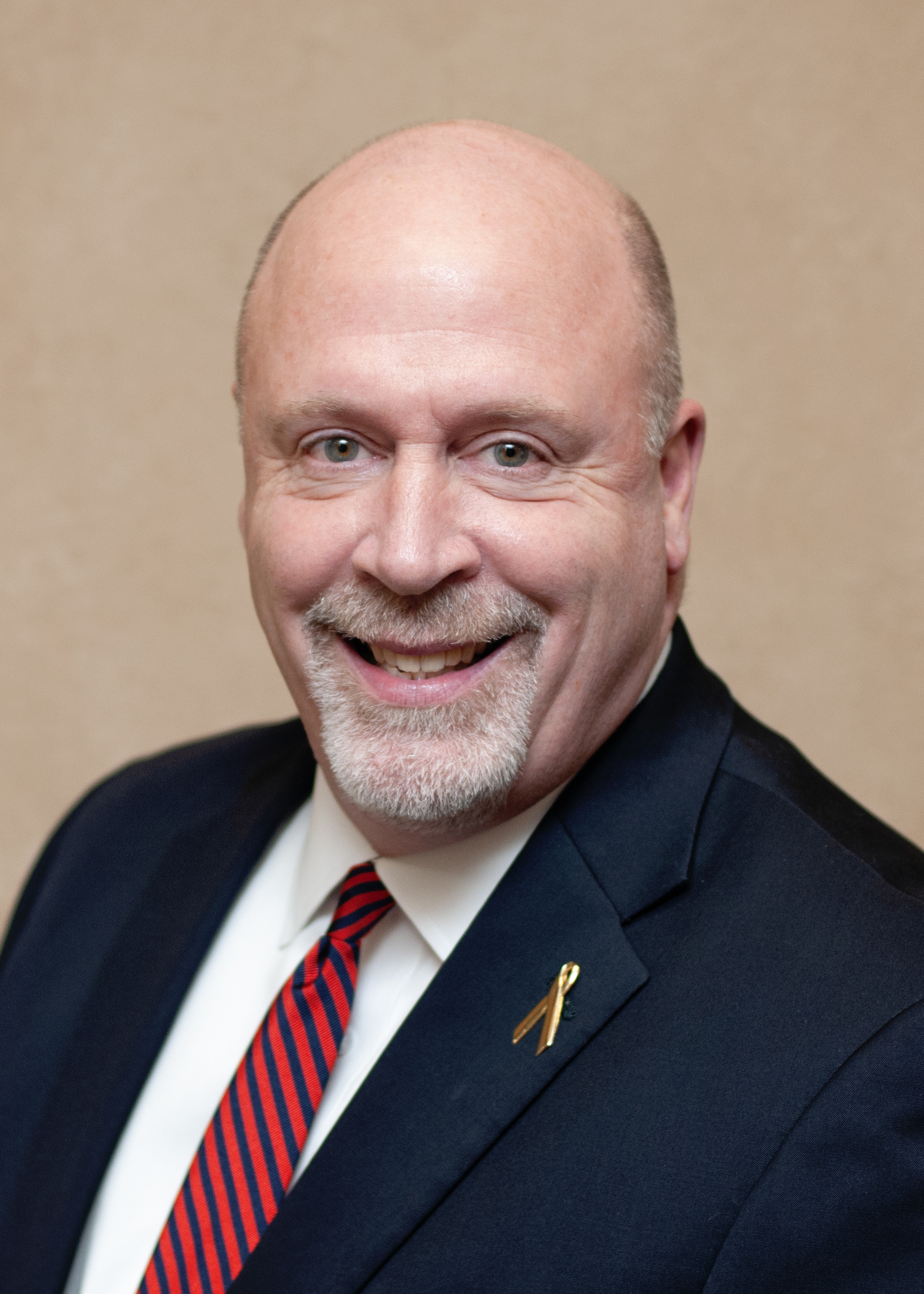
by Karl Adam, President, South Dakota Bankers Association
Sometimes the most consequential policy debates come down to a few words in a piece of legislation.
That may be the case with stablecoins and the ongoing effort to establish clear rules for digital assets. Congress took an important step last year when it passed the GENIUS Act, creating a federal framework for payment stablecoins and, importantly, prohibiting stablecoin issuers from paying interest or yield to holders.
That prohibition was intentional. Congress recognized that payment stablecoins should function as payment instruments—not as savings or investment products.
But there is a problem: The current language can be worked around.
Some cryptocurrency exchanges and digital asset platforms are offering rewards or yield-like incentives to customers who hold payment stablecoins. Because those rewards may come from an exchange, affiliate or other third party rather than directly from the stablecoin issuer, they can get around the prohibition Congress established in the GENIUS Act.
That is the loophole the banking industry has been working to close.
This isn’t about opposing cryptocurrency or financial innovation. Banks understand that technology continues to change the way consumers and businesses move money, and we support responsible innovation. The issue is whether a product designed to function as a payment instrument should be allowed to become a de facto interest-bearing alternative to a bank deposit simply because the payment comes from a different entity.
The distinction matters because banks operate differently.
When a customer deposits money at a bank, those deposits help provide the funding banks need to make loans to farmers, ranchers, small businesses, homebuyers and families in our communities. Banks operate under extensive safety, soundness and consumer protection requirements, and the banking system’s ability to provide credit depends in large part on maintaining a stable deposit base.
If dollars instead move from insured bank deposits into uninsured stablecoin products offering attractive rewards, those dollars are no longer available to support the same lending activity. The consequences aren’t theoretical. Less funding can mean less credit availability, higher borrowing costs and fewer resources available to support economic activity in our communities.
This is why the South Dakota Bankers Association (SDBA) has been engaged on this issue for nearly a year.
We’ve asked South Dakota bankers to make their voices heard with Senators John Thune and Mike Rounds, explaining why closing this loophole matters to the banks they lead and, more importantly, to the communities they serve. Our members have responded, participating in multiple SDBA calls to action and adding their voices to a broader banking industry effort.
Those efforts have been part of a much larger conversation. The American Bankers Association (ABA) and state bankers associations across the country have repeatedly urged Congress to ensure that the prohibition on interest and yield cannot simply be avoided through exchanges, affiliates or other digital asset platforms.
This is advocacy at its best: bankers seeing a potential policy problem, understanding how it could affect their communities and taking the time to make sure policymakers hear directly from those on the front lines.
The GENIUS Act established an important foundation. Now Congress has an opportunity to make sure the law works as intended.
The CLARITY Act is broader legislation addressing the regulatory framework for digital assets, but it also includes provisions addressing stablecoin yield. Section 404 seeks to prohibit crypto platforms, which are not FDIC insured, from providing interest or economically similar rewards on stablecoins. Banking organizations have urged lawmakers to make important technical refinements to that language, so the prohibition is clear, comprehensive and difficult to work around.
In other words, GENIUS established the guardrail. CLARITY provides an opportunity to strengthen it.
The goal isn’t to prevent innovation. It is to ensure that innovation occurs on a level playing field—one where products that function in similar ways are subject to appropriate and comparable rules.
Banks aren’t afraid of competition. South Dakota’s bankers compete every day by serving their customers, supporting local businesses, financing agriculture, helping families purchase homes and investing in the communities they call home.
But competition should be fair. A digital asset platform shouldn’t be able to replicate the economic characteristics of an interest-bearing deposit while avoiding the rules and responsibilities that apply to the institutions consumers have long relied upon for their savings.
The stablecoin market will continue to evolve, and so will the financial system around it. That makes getting the rules right now even more important.
We appreciate the South Dakota bankers and industry partners who have answered the call and made their voices heard. As Congress continues its work on the CLARITY Act, we encourage lawmakers to listen to those voices and ensure the legislation delivers what its name promises: clarity. Most importantly, it should preserve a level playing field, protect consumers and ensure South Dakota banks can continue putting deposits to work for the people, businesses and communities they serve.
So, please explain how Trump’s new-ish interest in crypto (his latest grift), and his reported ownership in a depository institution line up with the effort to close the loophole. It would seem that Trump is all about making billions while disregarding the very institutions that create capital for the economy.
If Trump opposes this legislation due to a detrimental effect on his ability to cash in, do you really think that such “brave souls” like Mike Rounds or John Thune have the backbone to stand up to Trump while still raking in plenty of campaign cash from bankers and their PACs?
Great column, Karl!
I got a about halfway through which is more then 99.8% of South Dakotan’s will do. My brain starting turning into mush at 50%. Didn’t want to become a SDGOP/MAGA so I quit