
Testing our Limits with a Limited Budget
By Jean Hunhoff
 South Dakota has long been known for strong fiscal discipline. We live within our means, we keep our promises to taxpayers, and we plan ahead rather than spend more than we should. Those principles have shaped our state for generations and guided my own approach to budgeting throughout my years of service.
The governor recently presented what he called “a limited budget” and encouraged lawmakers to see those limits as an opportunity. There is value in looking for opportunity, but responsible budgeting also requires honesty about what tight dollars mean for the families, schools, and providers who rely on state services every day.
One of the most significant points in the address was the announcement that Medicaid spending has now surpassed K-12 education spending for the first time. Medicaid is a vital program that supports children, seniors, and people with disabilities. At the same time, when education falls behind Medicaid for the first time in our history, it signals growing pressure on our schools, especially in rural areas. Rural districts are already working with limited enrollment, fewer applicants for open teaching positions, and rising costs for everything from heating buildings to transporting students. When education funding fails to keep pace, these districts have very little room to absorb increased costs without reducing students’ opportunities.
Fiscal conservatism means recognizing pressures early and making carefully considered decisions before problems grow larger or more costly.
Those pressures become even clearer when we look at the governor’s recommendation of a 0.0% increase for the big three budget areas. These include K-12 schools, Medicaid providers, and state employees. Each represents part of the core workforce that keeps South Dakota running. Teachers, nurses, direct health care staff, and public employees support the day-to-day needs of South Dakotans.
What does a 0.0% increase mean? When faced with expenses like utilities, insurance, transportation, food service, and staffing that continue to rise, that’s not holding the line. That’s forgetting to set the emergency brake on an icy hill. And just like that slippery slope, we’ll find ourselves going backwards.
Rural schools, in particular, do not have the enrollment or tax base to absorb reductions. Many small districts have already reduced staff or programs where they can. For some districts, even a slight financial shift can affect course offerings, class sizes, or extracurricular opportunities. These are difficult decisions for any community.
True fiscal conservatism is not only about limiting spending. It is also about protecting the essential services that allow families and communities to thrive. Strong rural schools are part of the foundation that keeps people living, working, and building their futures in South Dakota. If we want our young people to stay here, we must make sure they have access to quality education close to home.
Revenue trends add another layer of reality. Sales tax revenue declined by 0.6% last year, a rare decline for our state. While revenues so far this year are improving, families are still paying more for groceries, utilities, and insurance. When household budgets are stretched thin, state revenues feel that pressure. Careful planning remains essential.
The governor also left $14 million in one-time funding for legislative consideration. In a year that is described as a tight budget, that amount sends a mixed signal about the level of real budget discipline required.
Experience has demonstrated that one-time dollars should always go to one-time needs. The state should avoid making new ongoing commitments that it cannot sustain. This approach is essential for protecting taxpayers and upholding principles of conservative budgeting. When the Legislature received a significant influx of one-time federal COVID funds, we adopted a disciplined strategy. We allocated those funds exclusively for one-time projects that enhanced infrastructure, supported communities, and promoted long-term growth, all without establishing new programs or requiring ongoing financial support. That leadership continues to benefit South Dakota today. One-time dollars are most valuable when they help build lasting strength, not when they provide a momentary political benefit.
Fiscal conservatism means making every dollar count, strengthening what works, and protecting opportunities for families. The choices made in Pierre this year will reach far beyond the next budget cycle. They will set the direction for the next decade in our towns and counties. That is why it is essential to understand not only the limits of a limited budget but also the responsibility that comes with it.
_____
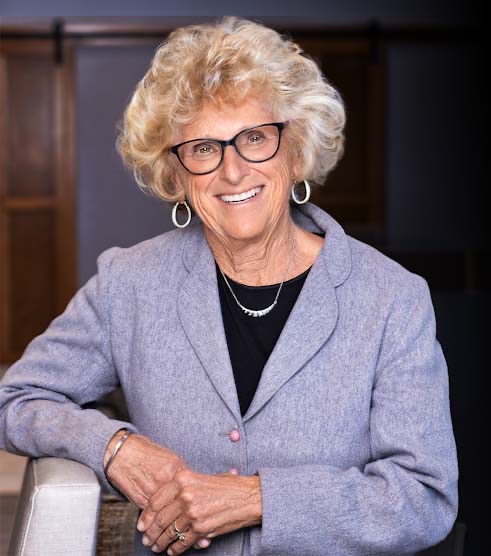
Jean Hunhoff served District 18 in both the House and Senate and was a longtime member of the Joint Appropriations Committee. She follows budget and policy issues from her home in Yankton.
She complained but officers no solution. That’s just whining
Hi, Jack. Jean has the right to warn South Dakotans about the fiscal cliff we find ourselves at. Personally, I welcome what the longtime appropriator has to say.
Oh, she [sic] officers solutions in there. If you heard her voice, screeding that, you would know there were officers. Young Ms. Hunhoff does not whine, she makes your ears bleed until you see the light and vote her way.
At first I thought you were talking about Karla Lems.
I love Jean Hunhoff.
I’ve read this twice and I have no idea what she is saying.
She said nothing that makes sense, as always. Look at the analogy she uses about setting the emergency brake of your car on an icy hill. My experience with icy hills is the car will slide down whether you set the emergency brake or not. The most prudent thing to do would be to avoid the icy hill as a parking spot in the first place. So I will avoid her and the fix she suggests of setting the emergency brake on an icy hill. There is going to be a wreck one way or another, and as usual she doesn’t under understand it. She is great at talking in circles and making herself dizzy.
i have no idea what you said but it looks like you’re trying really hard to spin things around.
Tax tax tax. That’s all politicians want to do. Someone has to work to pay for all the pork that is in every school city county and state budget
Because taxes are what government uses to make a great state.
i’d like to see your list of things that need to be removed from each of those budgets. I’ll wait.
Need an income tax. Tue for those farmers/ranchers that suck off the Fed teat to pay their share