
Legislature Steps Up for Cities with Innovative Capital Funding Option
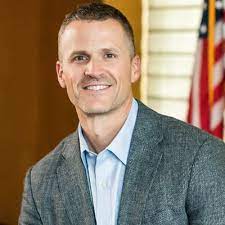
By Sioux Falls Mayor Paul TenHaken
 The South Dakota State Legislature recently passed House Bill 1245, which will provide an incredible tool for local fiscal flexibility. By giving cities the option—not the mandate—through a vote of their residents to establish a local funding mechanism for capital improvement projects, this legislation strengthens communities’ ability to plan responsibly and invest wisely in their futures.
Here’s how it works:
- When a community in South Dakota needs to pursue a major capital project, the primary option today is to issue bonds. Bonding is an important and useful tool, but it can also create decades of debt and interest payments.
- House Bill 1245 creates the Community Area ProjectS (CAPS) program, giving municipalities the option to bring an alternative approach to their voters for approval.
- Under the bill, a city must establish a capital improvement board. If that board approves a project, that city could ask residents whether they support adding a temporary 1% sales tax dedicated solely to that project.
- If at least 60% of voters approve, the 1% revenue would be collected and saved to pay for the project up front, rather than borrowing and paying interest for years or decades.
- Once the funds are fully collected, the tax expires and the community must wait two years before proposing another one. This ensures the program is used responsibly and only when needed.
This bill is the very definition of local control. It empowers taxpayers and local leaders with a choice: pursue projects through traditional borrowing, or adopt a save-and-pay approach that avoids decades of interest costs. For many communities, that choice alone can mean millions of dollars conserved and reinvested.
Here’s how this bill could have helped Sioux Falls if it was in place prior to a couple of major necessary capital investments:
Almost 15 years ago, residents voted to build a new Events Center in the city. If a mechanism like the CAPS program had been available at the time:
- Taxpayers would have avoided roughly $53 million in interest and issuance costs that could have gone towards roads, bridges, police vehicles, and fire stations.
- Based on 2012 revenues, the city could have saved enough to pay for the project outright in just 26 months. The city is still making payments for the Events Center today.
Our recently constructed Public Safety Campus is another example. Several years ago, it became clear our police and fire training facilities were outdated and needed to be replaced so we could ensure continued safety of our personnel. When the city moved forward with a modernized campus:
- A CAPS-style approach would have saved an estimated $18 million in interest and issuance costs that could have been redeployed to other capital needs.
- The city could have saved the full project cost in about nine months—less time than it took to design it.
This tool isn’t just useful for Sioux Falls and other larger cities, it can be transformative for small and medium-sized cities across South Dakota. A community like Murdo, for example, has publicly stated they could pursue long-term priorities such as a combined community center, childcare facility, and EMS building without relying solely on long-term debt. Long-term debt ties the hands of future councils, restricts flexibility, and places a multi-decade burden on property taxpayers in a very small community.
HB 1245 doesn’t force any city to use this tool. It simply provides a fiscally responsible option that communities can employ if it aligns with local needs and voter support.
I want to commend the legislators who supported this bill as they deserve a thanks for recognizing what tools cities large and small need to thrive. HB 1245 will help communities be more prudent stewards of taxpayer dollars, more agile in planning, and more empowered to set their own course.
The bill has passed both chambers and has one more step in the process before it becomes law. I look forward to Governor Larry Rhoden signing this bill to give municipalities another tool in our toolbox that supports local control.