More on District 3 State Senate throwdown. Perry running for Senate because Novstrup needed him to switch?
The Aberdeen insider website had some talk in the last couple of days regarding the upcoming State Senate throwdown between long-time Aberdeen Republican Leader Katie Washnok, and State Representative Carl Perry:
The reason Novstrup and Perry hope to switch chambers is simple, Novstrup said. He will be term-limited out of the Senate.
and..
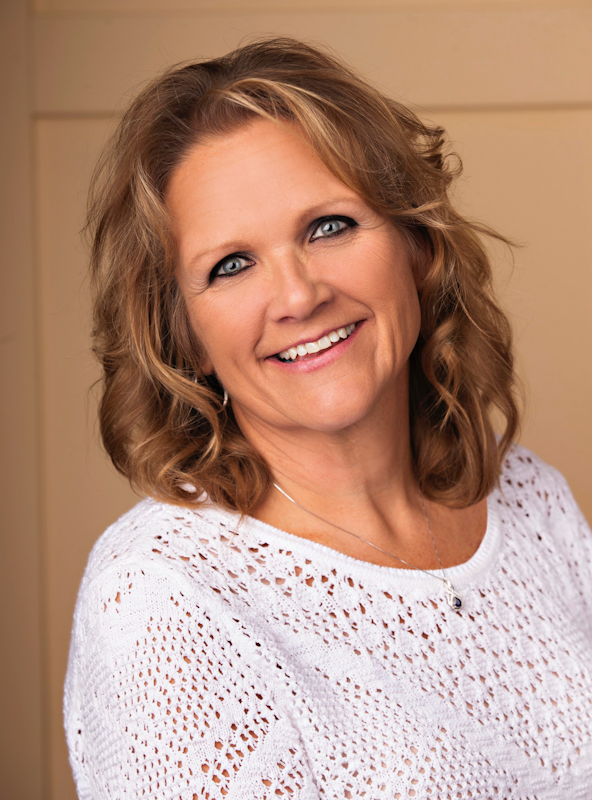
Washnok, 35, said the fact that Novstrup is term-limited in the Senate was one the reasons she decided to run. She describes herself as a political junkie who has been involved in a variety of political events and campaigns, but didn’t see herself running for office until recently.
Aberdeen has some big issues to face, she said, like ensuring it has an adequate water source. She said she wants to make sure it and other important topics are advocated for at the state level.
Read it all here (subscription required).
Katie Washnok quickly makes herself stand out, as she rattles off issues, and hits on solutions. But, Novstrup and Perry are running for each other’s seats is because Al is termed out? …and they felt the need to switch?
Really? So how do they put that slogan on a billboard? One more time for the Very Old Boys’s club? Or, Perry for Senate: Al told me I had to.
I know that I get barbs thrown my way because at times I will point things like this out on the Republican side of things. But regardless of party, it’s hard not be completely jaded when candidates like Al and Carl get up and make these kind of nakedly awful announcements. “The reason Novstrup and Perry hope to switch chambers is simple, Novstrup said. He will be term-limited out of the Senate.” Absolutely Ugh.
Al has been around for a while, if you look at his record of service..
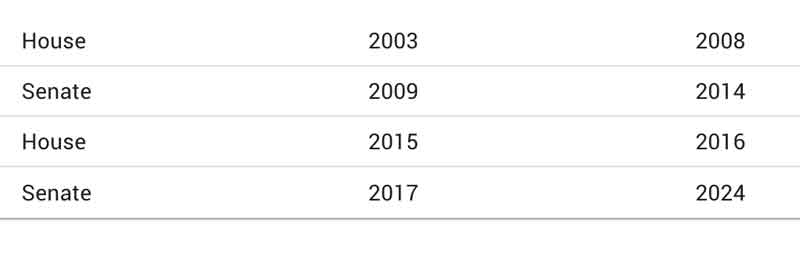
So, why exactly does Al feel the need to go back and serve in a House yet again, with a record of chamber flipping that – if successful – that would match him with Frank Kloucek in holding on to office by his fingernails? There has got to be a better reason to be there. Novstrup had also added “I still feel like there are issues to work on,” but aren’t there always? And what will be his reason when he decides to jump back to the Senate the next time?
Even worse, reading the article makes Carl Perry sound like a butt-sniffing lap-dog, who only knows how to follow Al. His 2023 record for the bills he primed were 4 bills killed in committee, 4 bills withdrawn, so there’s no laurels for him to rest on.
Given that Perry and Novstrup have ran together over the last several elections, this announcement did nothing to dispel the impression that Perry only exists to do what Al says. When candidates run together, and run together, and run together, and never stop, the voters will get the hint. Trust me, voters are looking for candidates who represent them not just a “yes-man” who does what he’s told.
If either Al or Carl intend to be in Pierre after the 2024 session, they had better step up their game and offer more than simply being Aberdeen’s septuagenarian broski ticket. As it is, this announcement was worse than a flop – it gave their opponents ammo to use against them.
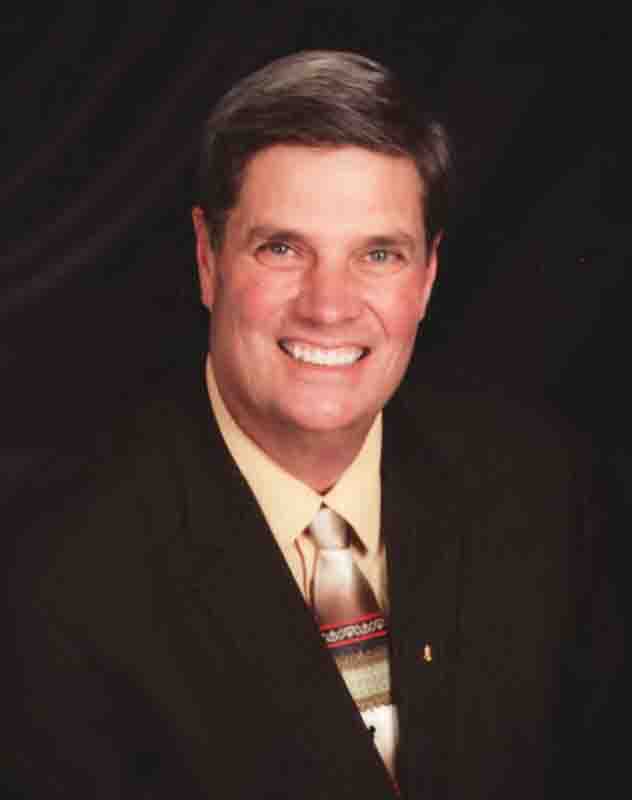 Today, long-time Watertown resident Glen Vilhauer announced his candidacy for the South Dakota District 5 Senate seat during the upcoming election cycle. The seat is currently held by Senate pro tem Lee Schoenbeck who is not planning to run for reelection.