South Dakota’s Future Depends on Smart Growth—Not Fear of It
by Tyler Tordsen, President & CEO, Sioux Metro Growth Alliance
 SIOUX FALLS, SD – South Dakotans are right to care deeply about the future of our communities. We value self-reliance, common sense, and stewardship of our land, tax dollars, and way of life. Lately, I’ve grown increasingly concerned by the rising anti-growth sentiment across our state. Too often, it’s fueled not by facts, but by misinformation and a growing distrust of government.
That frustration is real. People want lower taxes, especially property taxes, and they want relief for families, farmers, and small business owners who are also feeling the pinch. At the same time, we’re increasingly resistant to new housing, infrastructure, and economic development projects that could expand the tax base and help ease that burden over time. We can’t continue to demand tax relief while blocking the very growth that makes it possible.
One of the most common narratives I hear is that economic development in South Dakota only benefits large, out-of-state corporations. It’s nothing more than “corporate welfare,” handouts, or giveaways for million-dollar projects, while locals are left behind. I understand why that perception exists. But I can also tell you, from direct experience, that it doesn’t reflect reality.
In my work with the Sioux Metro Growth Alliance, our focus is exactly the opposite. We exist to help communities, entrepreneurs, and businesses of all sizes, large and small, rural or urban, navigate available resources and pursue responsible growth. Whether it’s a small-town infrastructure need, a local business expansion, or a housing project that helps a community remain viable, our role is to connect people to tools that might already exist and ensure they have a fair shot, regardless of their ZIP code or size of their balance sheet.
There are no freebies. There are no giveaways. Every grant, loan, or incentive comes with accountability, local investment, and long-term expectations. When done right, economic development is not about picking winners and losers, it’s about leveling the playing field and giving communities and their people the same opportunity to succeed here.
In my opinion, the bigger issue is that we don’t do a good enough job telling these smaller success stories, connecting our locals with what already exists for them, and selling the bigger picture of what makes our state so great. When a local business expands with the help of a revolving loan fund, workforce program, or infrastructure investment, we should be celebrating that success just as loudly as we do a $100-million announcement. Don’t get me wrong, those big projects matter too. Many of South Dakota’s largest employers and most successful companies started small or started somewhere else before establishing roots here. In fact, over 80% of economic growth in South Dakota comes from the expansion of businesses who are already here.
My point is that economic development is not the enemy — pushing growth with poor communication or projects with lack of proper consultation is.
Unfortunately, there are those who continue to sow distrust by reducing economic development to catchy buzzwords and false narratives with rhetoric not rooted in sincere concern for taxpayers or communities, but in political gain. That approach may generate clicks or applause lines, but it does nothing to solve real challenges or move South Dakota forward.
The truth is, South Dakota has nearly everything going for it – still! We have some of the hardest-working, most innovative people you can find. We enjoy a very accessible government at all levels, a comparatively low tax burden, a high quality of life, and values that run deep across many generations. People want change, but they also want to preserve what makes this place special. I understand that tension, and I share it.
But the “good old days” didn’t happen by accident. They were built by people willing to invest, adapt, and think long-term. With better communication, transparency, and a commitment to responsible growth, I believe our best days are still ahead.
After more than a century of leading with our values, we can’t expect South Dakota to remain a hidden gem forever. That doesn’t mean saying “yes” to everything that comes our way, but it also can’t mean blindly saying “no” to everything either. We’ve earned the right to be selective in supporting the right projects that are mutually beneficial for all. Smart, strategic growth in the right places should be welcomed, not feared.
If we get this right, we improve our chances of being able to lower or stabilize our taxes. More importantly, we create real opportunities for our children and grandchildren to stay here, or to recruit them back home, and to have the opportunity for them to succeed in any field they might pursue.
We must commit to doing a better job of working together in shaping South Dakota’s priorities and issues. We now live in the most digitally connected era in history and each carry some responsibility for educating ourselves on what’s before us. By working more closely with our neighbors, communicating honestly, and choosing to seek progress over paralysis, I know we can keep South Dakota the best place to live, work, and raise a family.
—
Tyler Tordsen, President & CEO, Sioux Metro Growth Alliance



 Sioux Falls, S.D. – January 28, 2026 – Today Capt. Josh Phillips accepted the endorsement of outgoing Sheriff Mike Milstead and launched his campaign for Minnehaha County Sheriff.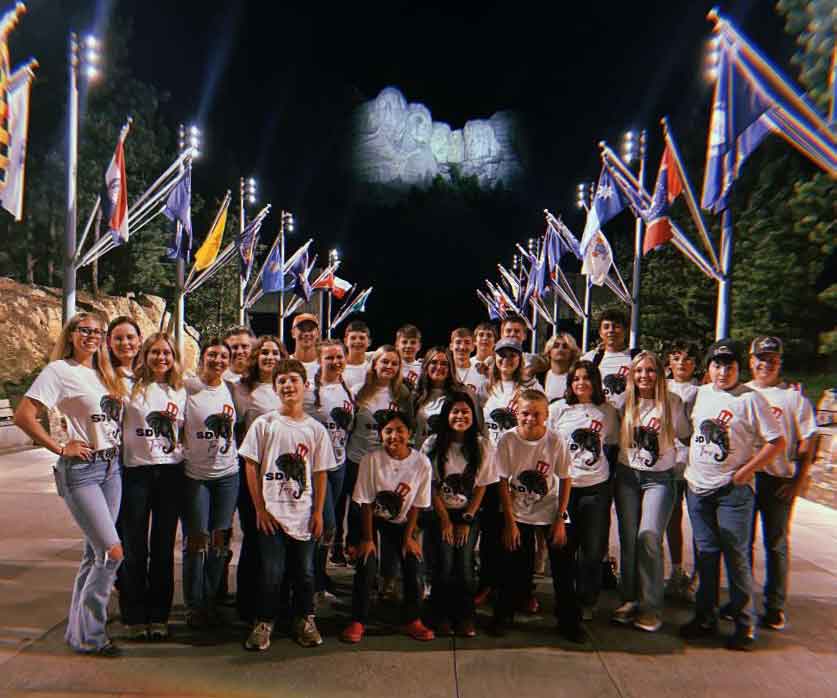
 Nine months ago, I was chosen State Adviser of the South Dakota Teenage Republicans (SD TARs), embarking upon a mission to breathe life back into a once vibrant organization that had unfortunately gone dormant. With the new year underway, I’d like to report on the incredible success we achieved and make an exciting announcement for the future!
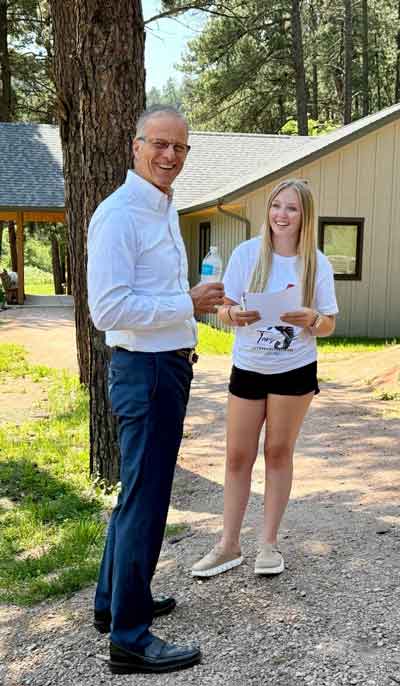 We joined the GOP at fairs, including the State Fair, as well as the Brookings GOP Picnic. For the first time in recent memory, TARs participated in Christmas at the Capitol. As thousands of visitors walked the hallowed halls — admiring trees full of Christmas cheer — they saw the name “South Dakota Teenage Republicans.”