
Congressman Dusty Johnson’s Weekly Column: Why a Republican Majority Matters
Why a Republican Majority Matters
By Rep. Dusty Johnson
March 10, 2023
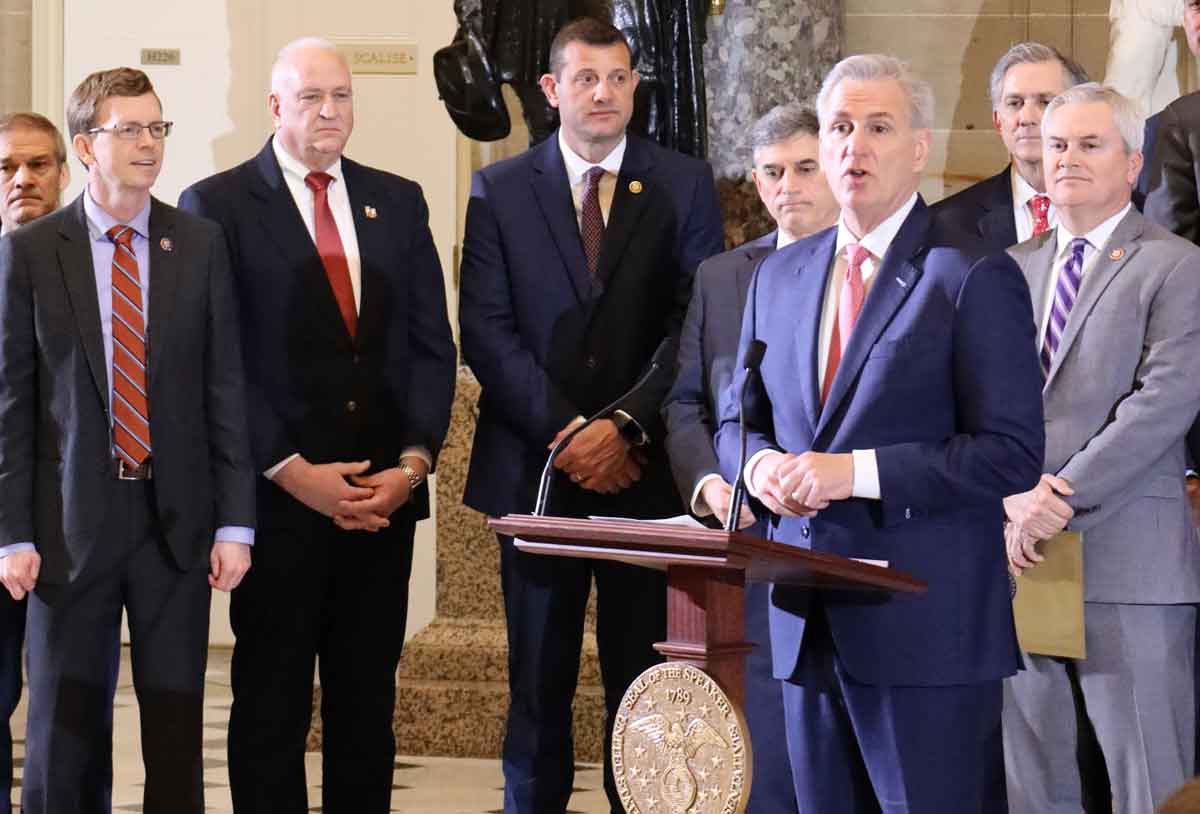
We are three months into the Republican House majority, and House Republicans are fulfilling promises we made to the American people. We have seen win after win, pushing back on the far-left agenda and blocking unnecessary, unchecked spending.
Here are a few of our wins so far:
We started with opening the People’s House. The Capitol and House Office Buildings had been closed to the public for nearly three years. Once again, constituents can come talk to their Representatives in person and watch the business happening on the House Floor from the Galleries.
One priority of House Republicans is keeping America safe. We established the Select Committee on the Strategic Competition Between the United States and the Chinese Communist Party (CCP) which has already begun important work analyzing the threat posed to America’s national security by the CCP. We also addressed rising crime rates and successfully reversed the D.C. Council’s bill to ease penalties for violent crimes like carjacking. After House Republicans voted to reverse the soft-on-crime D.C. proposal in the House, the Biden Administration back-tracked on previous comments and agreed they had no choice but to pass our bill given the drastic crime increase in our nation’s capital. This marks the first time in 30 years that Congress has rolled back a D.C. regulation.
Restoring energy security and increasing domestic production has been top-of-mind the past couple of years due to President Biden’s policies that severely limit domestic energy production and increased energy prices. We’ve passed bills to prevent any Strategic Petroleum Reserve oil sales to China and the CCP, and require President Biden to put forward a plan to increase our domestic energy production should he conduct a non-emergency drawdown of the SPR.
President Biden’s policies stretch the letter of the law, which we have seen in his policies to allow retirement savings managers to make financial decisions on the basis of climate change and social justice standards. House Republicans passed a bill to block this rule. We also passed a bill to block the President’s Waters of the United States (WOTUS) overly burdensome rule which allows the Environmental Protection Agency to regulate the waters of streams, small creeks, and puddles.
President Biden continued to extend the COVID-19 national emergency for months after he stated, “the pandemic is over.” Several bills have been passed to end the national emergency declarations, end COVID-19 vaccine mandates, and make sure Americans are getting back to work.
The House Republican majority is an important check to fighting inflation. We passed the REIN IN Inflation Actand our voting block will work hard to prevent President Biden’s reckless spending from continuing.
The House Republican majority is righting the ship and pushing government to do what it should always strive to do: work for the American people.


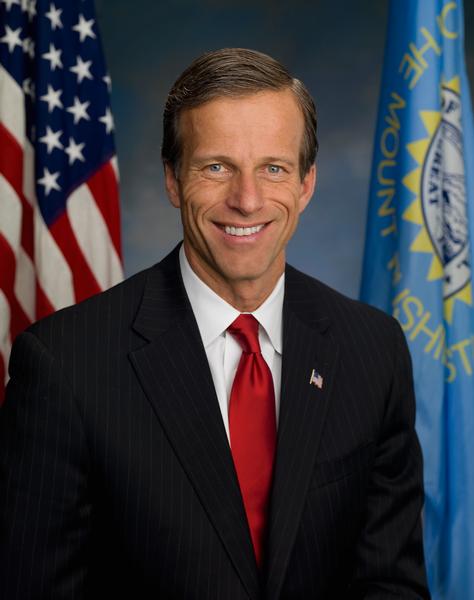 WASHINGTON — U.S. Sens. John Thune (R-S.D.) and Raphael Warnock (D-Ga.), members of the Senate Committee on Agriculture, Nutrition, and Forestry and the Senate Committee on Commerce, Science, and Transportation, today introduced the
 Washington, D.C. – Today, U.S. Representative Dusty Johnson (R-S.D.) and U.S. Senator Mike Rounds (R-S.D.) re-introduced the Traveler’s Gun Rights Act. The legislation strengthens Second Amendment rights to allow law-abiding RV-ers, active-duty military, military spouses, and others who rely on a P.O. Box for their primary mailing address to obtain a firearm.
 On a Saturday