Rounds, Cassidy and Colleagues Blast Tim Walz for Rampant Childcare Fraud, Demand Accountability for American Taxpayers
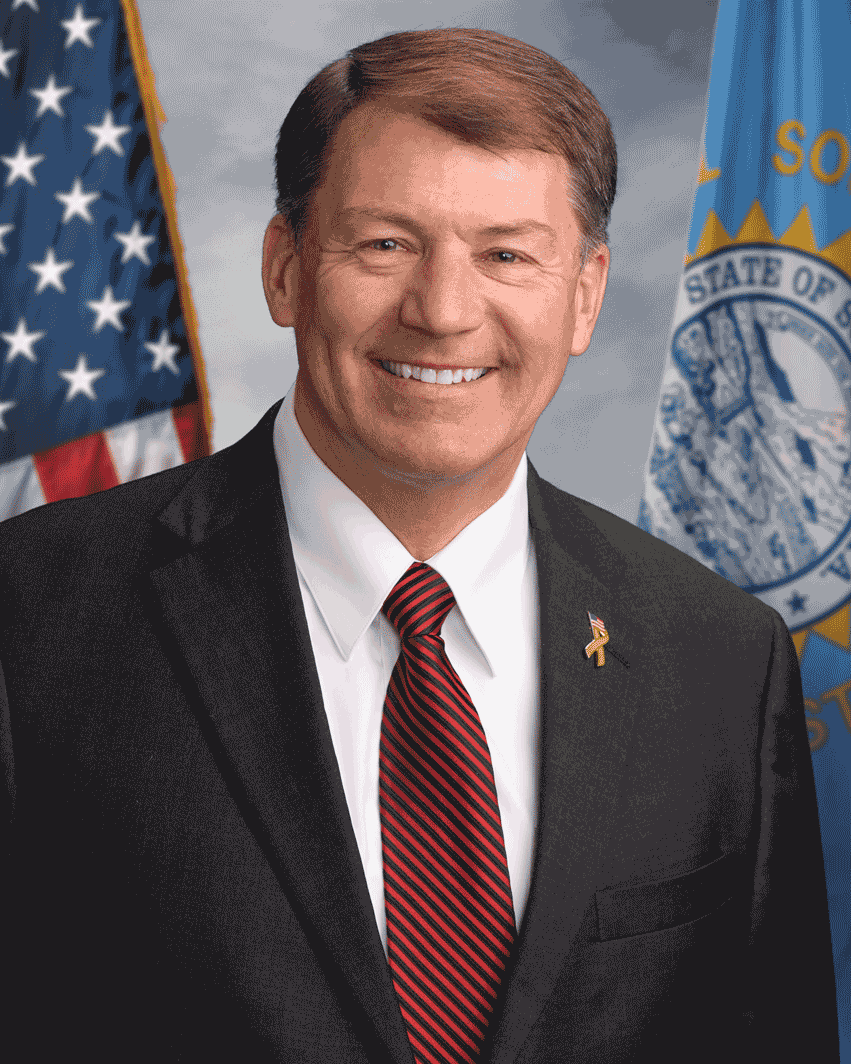 WASHINGTON – U.S. Senators Mike Rounds (R-S.D.), Bill Cassidy (R-La.) and the entire Senate Republican Conference are demanding accountability from outgoing Minnesota Governor Tim Walz amid widespread reports of fraud and abuse of federal child care funding in Minnesota.
“The state’s apparent negligent management of federal funds raises significant concerns about the adequacy of the state’s oversight, verification, and compliance systems for safeguarding taxpayer dollars intended to support vulnerable children and working families,” wrote the Senators. “Unfortunately, these latest reports appear to reflect only the tip of the iceberg.”
“The Constitution grants Congress the power of the purse, and the United States Senate is exercising its duty to ensure proper stewardship of federal taxpayer dollars for child care programs, and we take this responsibility very seriously,” continued the Senators.
This effort is in conjunction with the Trump administration, which has paused child care funding to Minnesota and other states pending verification and audits of how funds were used. There is also a current federal investigation into large-scale fraud in Minnesota’s social services programs.
Rounds and Cassidy are joined by Majority Leader John Thune (R-S.D.) and U.S. Senators John Barrasso (R-Wyo.), Mike Crapo (R-Idaho), Susan Collins (R-Maine), Jim Banks (R-Ind.), John Kennedy (R-La.), Ted Cruz (R-Texas), Rand Paul (R-Ky.), Ashley Moody (R-Fla.), Tim Scott (R-S.C.), Tommy Tuberville (R-Ala.), Roger Marshall (R-Kan.), James Lankford (R-Okla.), Lindsey Graham (R-S.C.), Shelley Moore Capito (R-W.Va.), Pete Ricketts (R-Neb.), Ted Budd (R-N.C.), Kevin Cramer (R-N.D.), Joni Ernst (R-Iowa), Cynthia Lummis (R-Wyo.), Deb Fischer (R-Neb.), Mike Lee (R-Utah), Jim Risch (R-Idaho), Tom Cotton (R-Ark.), Eric Schmitt (R-Mo.), Markwayne Mullin (R-Okla.), Bernie Moreno (R-Ohio), Katie Britt (R-Ala.), Marsha Blackburn (R-Tenn.), Rick Scott (R-Fla.), John Cornyn (R-Texas), Tim Sheehy (R-Mont.), Jon Husted (R-Ohio), Thom Tillis (R-N.C.), John Hoeven (R-N.D.), Bill Hagerty (R-Tenn.), Lisa Murkowski (R-Alaska), Cindy Hyde-Smith (R-Miss.), Dan Sullivan (R-Alaska), Josh Hawley (R-Mo.), Jim Justice (R-W.Va.), Steve Daines (R-Mont.), Ron Johnson (R-Wis.), Jerry Moran (R-Kan.), Todd Young (R-Ind.), John Curtis (R-Utah), Dave McCormick (R-Pa.), Mitch McConnell (R-Ky.), Roger Wicker (R-Miss.), John Boozman (R-Ark.) and Chuck Grassley (R-Iowa).
Read the full letter HERE or below.
++
Dear Governor Walz:
We write to express serious concern regarding recent reports and federal investigations alleging widespread fraud and misuse of federal funds within Minnesota’s state-administered child care assistance programs. The state’s apparent negligent management of federal funds raises significant concerns about the adequacy of the state’s oversight, verification, and compliance systems for safeguarding taxpayer dollars intended to support vulnerable children and working families. Unfortunately, these latest reports appear to reflect only the tip of the iceberg.
Federal prosecutors have been conducting a broader investigation of large-scale fraud in Minnesota’s social services programs. Some authorities estimate that billions in federal funds across various programs, including child care, nutrition, Medicaid, and housing assistance, may have been misappropriated since 2018. One example includes the “Feeding Our Future” scheme, where more than 50 individuals were convicted for diverting hundreds of millions of dollars in pandemic relief funds intended for school meals.
Under the leadership of President Trump, the U.S. Department of Health and Human Services (HHS) has acted promptly to freeze child care payments to Minnesota pending verification and audits of how funds were used. The Constitution grants Congress the power of the purse, and the United States Senate is exercising its duty to ensure proper stewardship of federal taxpayer dollars for child care programs, and we take this responsibility very seriously. To that end, we are writing to request detailed responses to the following questions, on a question-by-question basis, no later than Thursday, January 22, 2026:
- Please describe the state’s ongoing efforts to comply with federal directives to conduct a comprehensive audit of child care centers identified as high-risk.
- What is the state’s estimated timeframe to achieve full compliance?
- Please detail any additional verification requirements Minnesota has adopted or plans to implement in the near term to support proof of legitimate use of federal child care payments. In your response, please specify whether these verification requirements apply to each federal funding stream used to support Minnesota’s child care programs, including the Child Care and Development Block Grant (CCDBG), COVID-19 pandemic relief funds, and any other sources of federal taxpayer dollars. Please also indicate whether any of the providers identified as high-risk receive Head Start or Early Head Start funding.
- How often does the state conduct on-site monitoring, inspections, or investigative visits of licensed, registered, and state exempt child care providers that receive child care subsidies?
- How many investigations has the state conducted since January 1, 2018, and what evidence of fraud has been uncovered?
-
- Please detail specific examples of fraudulent billing, including but not limited to billing for children who did not exist or were not present; falsifying attendance records and/or names; enrolling ineligible children to increase reimbursement; overbilling for services not provided; and using fake business structures to draw down additional public funds.
- Please describe the prior compliance and enforcement efforts the state has undertaken to address concerns about accountability raised in previous federal audits documenting oversight shortcomings in Minnesota’s child care assistance program.
- Please list all regulatory and oversight actions (as well as technology and systems improvements for fraud prevention) that the state has undertaken since January 1, 2018, in response to the findings of federal audits documenting the systemic misuse of welfare funds, including but not limited to the May 2025 HHS Office of Inspector General (OIG) audit report.
-
- Please include the dates of implementation and scope of all mandated reforms to comply with federal audits.
- In the May 2025 HHS OIG audit report, the OIG made the following three recommendations: (1) recover identified overpayments; (2) strengthen monitoring of attendance records; and (3) implement real-time electronic attendance reporting, as previously recommended by the Legislative Auditor. As of the end of 2025, these recommendations remain open, indicating that they have not been completely adopted by the state. Why have these recommendations not been completely adopted by the state, and who made the decisions not to expeditiously move forward with adopting the OIG’s recommendations?
- Please describe any additional reforms Minnesota has evaluated for potential implementation to prevent fraud in the state’s federally funded welfare programs, including but not limited to individual registration requirements, use of fingerprinting technologies, etc.
- Please provide detailed documentation for all providers receiving federal child care funds from the state of Minnesota since January 1, 2018, including attendance records, licenses, inspection and monitoring reports, complaints, and investigations.
###

Madison Sheahan, the deputy director of U.S. Immigration and Customs Enforcement (ICE), is resigning from her role to run for Congress in Ohio, multiple federal law enforcement sources told Fox News.
 Danny Brown Announces Candidacy for South Dakota House of Representatives, District 8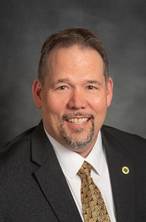
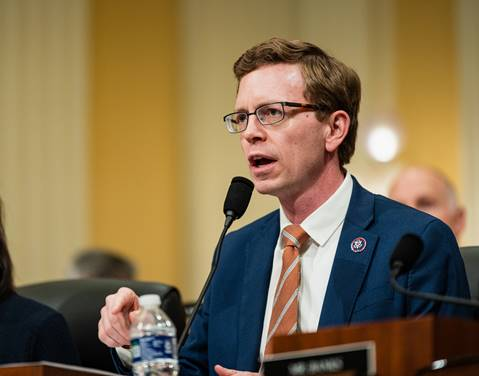 Congressman and Gubernatorial candidate Dusty Johnson had a lot to say about Governor Rhoden’s State of the State address today in what might be some of his most critical commentary of the Rhoden Administration to date in the gubernatorial primary.
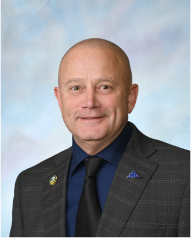 Mitchell, SD– State Representative Jeff Bathke announces his re-election campaign, representing District 20 and the great State of South Dakota. District 20 includes the communities and citizens of Jerauld, Sanborn, Miner and Davison Counties.