Rounds, Johnson Introduce Traveler’s Gun Rights Act
WASHINGTON – U.S. Senator Mike Rounds (R-S.D.) introduced the Traveler’s Gun Rights Act. This bill would update federal law to account for various residency-related issues facing full-time Recreational Vehicle (RV) travelers, individuals with multiple physical residences, active duty military personnel and military spouses. Companion legislation was introduced in the House of Representatives by Congressman Dusty Johnson (R-S.D.).
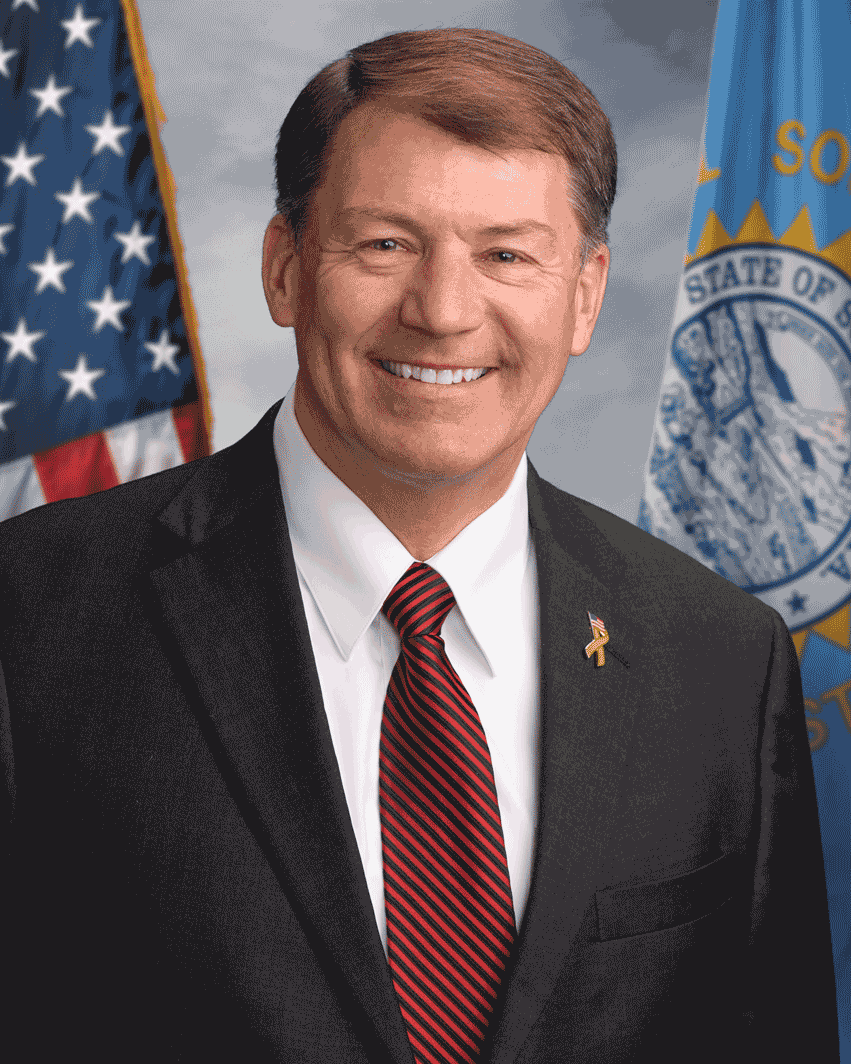 “The Traveler’s Gun Rights Act removes an unfair prohibition facing Americans with unique living situations,” said Rounds. “This legislation will make certain that law-abiding citizens do not face a burdensome roadblock when trying to exercise their Second Amendment rights.”
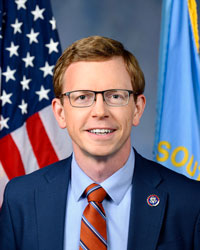
“An address is an address – individuals who rely on a P.O. Box as their primary mailing address shouldn’t have their right to possess a firearm compromised,” said Johnson. “Our bill fixes that problem.”
Currently, the Bureau of Alcohol, Tobacco, Firearms and Explosives (ATF) requires firearm buyers to fill out paperwork listing an address. However, the ATF prohibits buyers from listing a P.O. Box or Private Mailbox (PMB) on this form. This prohibition unfairly hurts full-time travelers, many of whom live in their RV year round and utilize a P.O. Box or PMB in order to receive mail. These alternate addresses are able to be listed on driver’s licenses, but they cannot be used on the ATF paperwork.
 Rounds led a group of 17 senators in introducing this bill, including Senators Jim Risch (R-Idaho), Mike Crapo (R-Idaho), Jerry Moran (R-Kan.), Kevin Cramer (R-N.D.), John Boozman (R-Ark.), Mike Braun (R-Ind.), Ted Cruz (R-Texas), Roger Marshall (R-Kan.), Steve Daines (R-Mont.), John Thune (R-S.D.), James Lankford (R-Okla.), John Barrasso (R-Wyo.), Cindy Hyde-Smith (R-Miss.), John Hoeven (R-N.D.), Cynthia Lummis (R-Wyo.), Tom Cotton (R-Ark.) and Jim Inhofe (R-Okla.).
Additionally, Johnson’s companion legislation is cosponsored by 28 Members of Congress, including Doug LaMalfa (R-Calif.), Ralph Norman (R-S.C.), Ted Budd (R-N.C.), Don Bacon (R-Neb.), Markwayne Mullin (R-Okla.), Greg Steube (R-Fla.), William Timmons (R-S.C.), Randy Weber (R-Texas), Pete Sessions (R-Texas), Scott DesJarlais (R-Tenn.), Jake LaTurner (R-Kan.), Brian Babin (R-Texas), Dan Crenshaw (R-Texas), Ben Cline (R-Va.), Mo Brooks (R-Ala.), Chris Stewart (R-Utah), Buddy Carter (R-Ga.), August Pfluger (R-Texas), Alex Mooney (R-W.Va.), Richard Hudson (R-N.C.), Scott Perry (R-Pa.), Roger Williams (R-Texas), Tom McClintock (R-Calif.), Liz Cheney (R-Wyo.), Randy Feenstra (R-Iowa), Jeff Duncan (R-S.C.), Thomas Tiffany (R-Wis.) and Austin Scott (R-Ga.).
You can read the full bill HERE.
###